
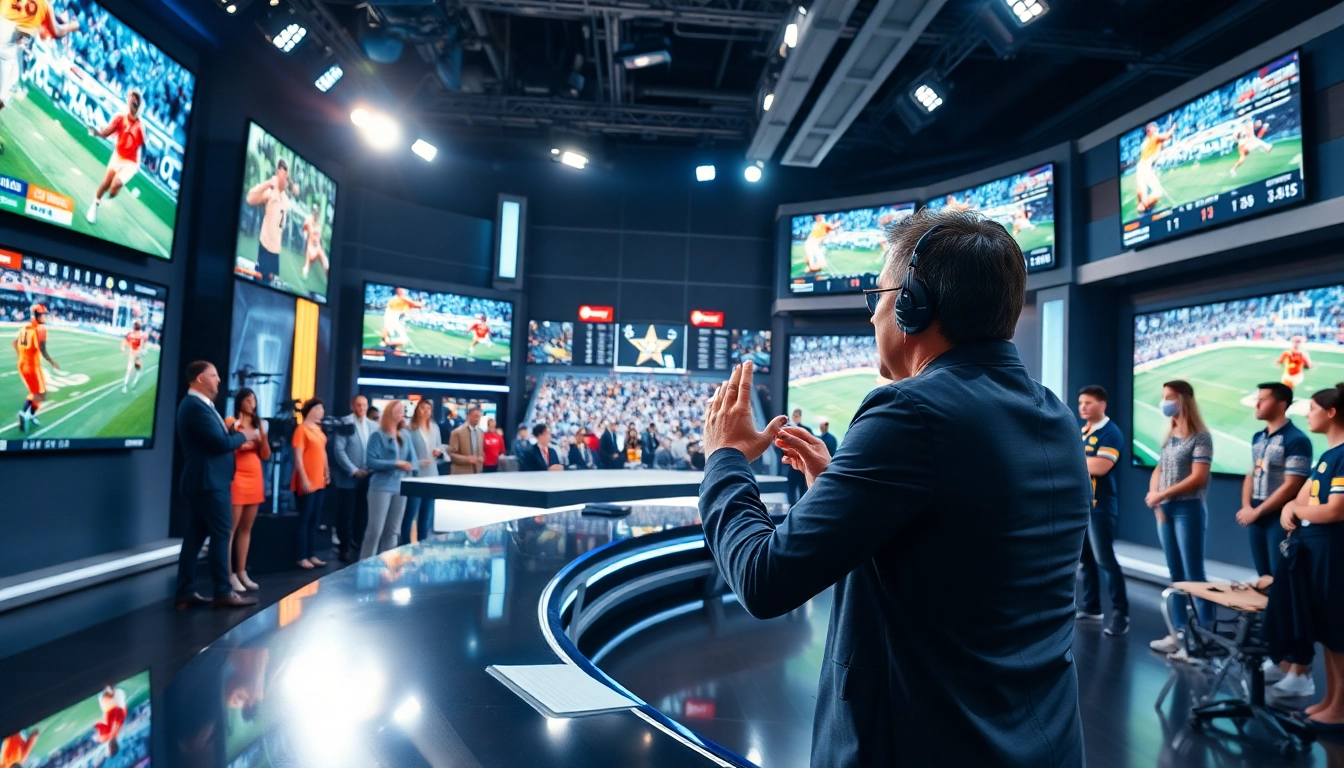
Introduction to Sports Broadcasting
Understanding Sports Broadcasting
Sports broadcasting is a crucial conduit that connects fans to their favorite sports and teams, acting as the bridge that brings live events into homes across the globe. This expansive field combines the art of storytelling, technical expertise, and a deep understanding of sports dynamics to create content that resonates with audiences. It encompasses various formats, including television broadcasts, online streaming platforms, and radio coverage. As fan engagement and viewing preferences continuously evolve, mastering Sports Broadcasting becomes paramount for aspiring broadcasters and seasoned professionals alike.
Key Roles in Sports Broadcasting
The sports broadcasting industry comprises several key roles that work together to produce engaging content. These roles include:
- Commentators: They provide real-time analysis and commentary during live events, helping viewers understand the action and add excitement to the experience.
- Producers: Responsible for overseeing the entire broadcast, producers ensure that every element flows seamlessly and meets the audience’s needs.
- Reporters: They cover stories related to teams, players, and events, often conducting interviews and providing insights that enhance viewer understanding.
- Technical staff: This includes camera operators, sound engineers, and editors who handle the technological aspects of broadcasting, ensuring high-quality production values.
The Importance of Audience Engagement
Audience engagement is fundamental in sports broadcasting. By creating compelling narratives and interactive experiences, broadcasters maintain viewer interest and loyalty. Incorporating viewer feedback through social media or live polls can significantly enhance the connection between the audience and the broadcast. Effective engagement strategies drive viewership and contribute to the longevity of sports programming.
Essential Skills for Broadcast Professionals
Communication and Presentation Skills
At the heart of successful sports broadcasting lies strong communication and presentation skills. Broadcasters must convey information clearly and engagingly, often under time pressure. Their ability to articulate insights effectively ensures that audiences remain informed and entertained. Additionally, mastering the nuances of body language and vocal modulation adds depth to on-screen presence.
Technical Proficiency in Broadcasting
With advancements in technology, broadcast professionals must possess a solid understanding of technical equipment and software. This includes familiarity with cameras, audio equipment, and editing software, which contributes to the overall production quality. Staying updated on technological trends is essential for creating innovative content and maintaining competitive advantage.
Research and Analysis Abilities
Broadcast professionals need robust research and analytical skills. This expertise enables them to provide context to games and events, enhancing viewers’ understanding. By analyzing team statistics, player performance, and historical data, broadcasters can deliver informed commentary, enriching the viewer experience. Adequate preparation before events is critical to developing insightful narratives.
Creating Compelling Sports Broadcasts
Crafting Engaging Storylines
Engaging storylines are the backbone of any compelling sports broadcast. Broadcasters must identify compelling themes, such as rivalries, player development, or social issues, that resonate with their audience. This narrative-driven approach keeps viewers invested in the unfolding drama of sports, elevating mere gameplay to compelling storytelling.
Utilizing Visual and Audio Elements
Visual and audio elements play a critical role in enhancing sports broadcasts. Effective use of graphics, replays, and statistics can provide viewers with a richer understanding of the game. Moreover, high-quality audio commentary and sound effects create an immersive experience, allowing viewers to feel as if they are part of the action. Balancing these elements effectively is key to a successful broadcast.
Building a Strong On-Screen Presence
On-screen presence is crucial for establishing credibility and connection with the audience. Broadcasters should develop a unique style that reflects their personality while resonating with viewers. This authenticity fosters trust, encouraging viewers to return for future broadcasts. Engaging with fans through social media can further bolster this connection.
Challenges in the Sports Broadcasting Industry
Keeping Up with Live Events
In sports broadcasting, keeping up with live events poses a significant challenge. Professionals must stay informed about player conditions, game developments, and external factors that may affect the coverage. Quick adaptability and a deep understanding of sports are vital to providing accurate and timely commentary.
Maintaining Accuracy Under Pressure
Pressure situations, such as last-minute game changes or technical difficulties, can test broadcast professionals’ abilities. They must maintain composure while delivering accurate information. Training in stress management and enhancing focus can significantly improve professionals’ ability to thrive under pressure.
Adapting to Technology Changes
The rapid pace of technological evolution constantly redefines sports broadcasting. Broadcasters must regularly update their skills to leverage new tools effectively. Embracing innovation, such as augmented reality and enhanced data graphics, can differentiate skilled broadcasters in a crowded marketplace.
Measuring Success in Sports Broadcasting
Audience Metrics and Analytics
Measuring success in sports broadcasting relies heavily on audience metrics and analytics. Key performance indicators, such as viewership ratings, audience demographics, and engagement statistics, provide valuable insights. By analyzing this data, broadcasters can refine their strategies and enhance their show’s appeal.
Feedback and Continuous Improvement
Continuous improvement is essential for growth in the sports broadcasting industry. Gathering and analyzing viewer feedback can provide actionable insights to enhance content quality. Engaging actively with the audience fosters a community that feels valued, contributing significantly to the broadcast’s ongoing success.
Trends Shaping the Future of Sports Broadcasting
The future of sports broadcasting is shaped by several trends. Innovations like virtual and augmented reality are transforming how fans experience live events, enabling them to interact in unprecedented ways. Additionally, the rise of personalized content through artificial intelligence is influencing how broadcasts are tailored to individual preferences, creating a more engaging viewing experience.
Frequently Asked Questions
What qualifications do I need to become a sports broadcaster?
Most sports broadcasters have a degree in journalism, communications, or a related field. Real-world experience through internships or entry-level positions is also crucial.
How can I improve my on-air presentation skills?
Practice is key. Regularly record yourself, seek feedback, and work on your delivery, body language, and vocal modulation.
What technology is essential for sports broadcasting?
Key technology includes high-quality cameras, sound equipment, editing software, and graphics systems for viewer engagement.
How do sports broadcasters engage with their audience?
Sports broadcasters engage through social media, interactive polls, and audience feedback during live events to foster a community feeling.
What are the biggest challenges in sports broadcasting today?
Keeping up with live events, maintaining accuracy under pressure, and adapting to rapid technological changes are the biggest challenges faced.